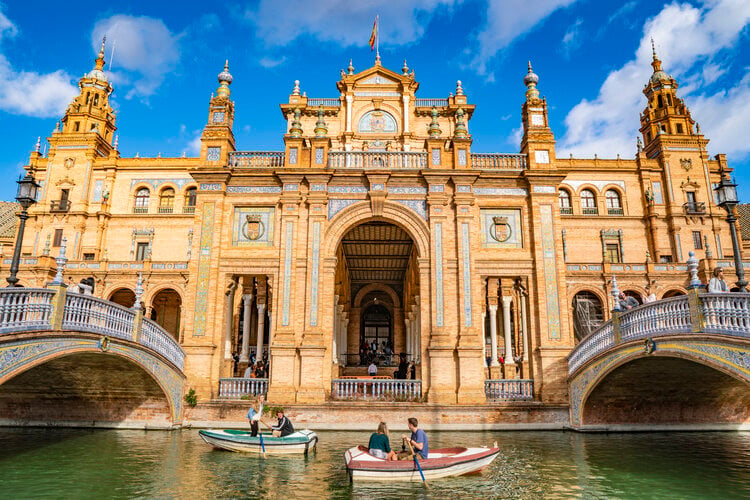
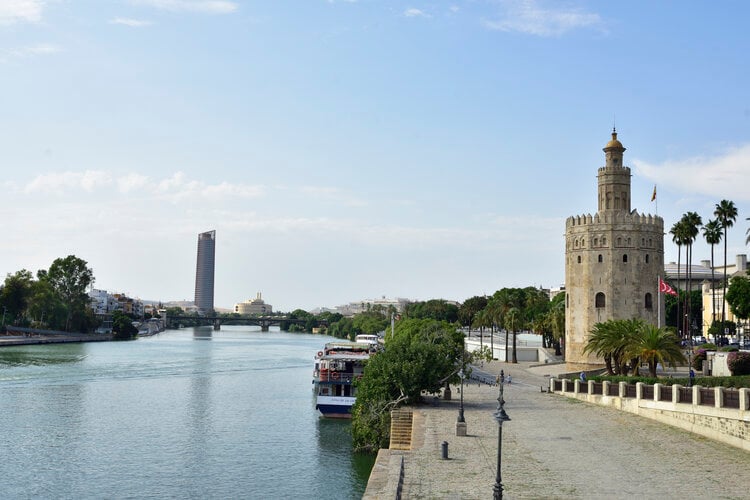
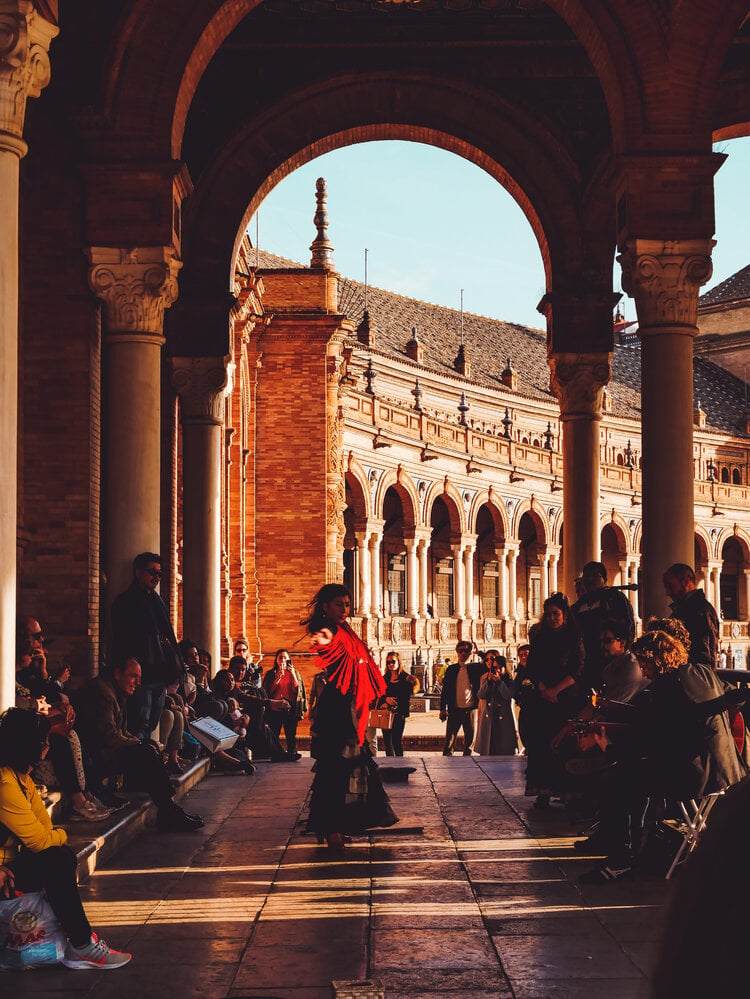
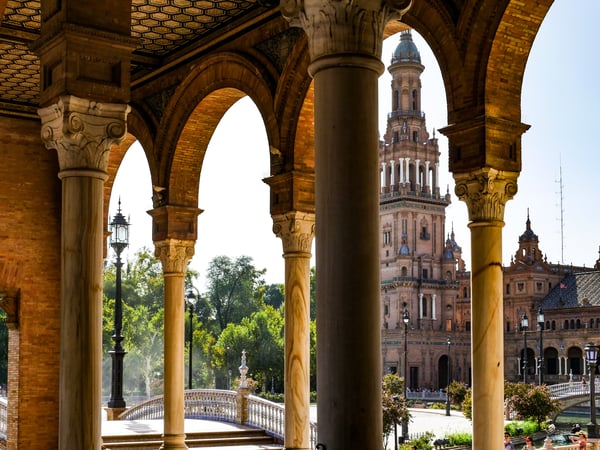
Sevilla is the capital of Andalucía, one of the 17 autonomous communities within Spain.
The racial and ethnic makeup of Spain is becoming just as diverse as its languages. The total number of Spanish Muslims is nearly 2 million when factoring nationals as well as migrants from Morocco, Pakistan, Senegal, and other countries. While the Spanish government does not record statistics on the ethnic and racial background of its population, it records the population of non-citizens in Spain, which in 2018 equaled 4.7 million, around 10% of the population. Migrants largely come from the following countries: Morocco, Romania, UK, China, Colombia, Ecuador, Bulgaria, Germany, and Ukraine. Spain has the largest Romanian population in Western Europe, as well as a small Jewish community primarily residing in Madrid, Barcelona, Málaga, and a couple other cities.
The population of Sevilla is primarily of Spanish descent. Spaniards descend from multiple ancestries: the Moors of the Middle Ages, the Romans, and the pre-Roman Iberian peoples. Non-nationals make up about 4% of the city’s inhabitants, and they are mainly from Morocco, Ecuador, and Colombia, as well as Peru, China, Bolivia, and Argentina. About half of Spain’s gitano population lives in Sevilla.
Black salons (click here and here), barbershops, and all-gender hairdressers are available in Sevilla. There are also stores that sell Black haircare products, but you should consider bringing your favorite haircare products with you and enough to last your entire stay, because you may not find the same brands or variety of products that you’re used in the US. Here are some helpful suggestions on haircare products and tools to bring with you. You can also check out the Diversity Abroad guide to managing Black hair abroad.
.png?width=208&height=80&name=asa+logo%201%20(1).png "asa+logo 1 (1)")



-4.webp)