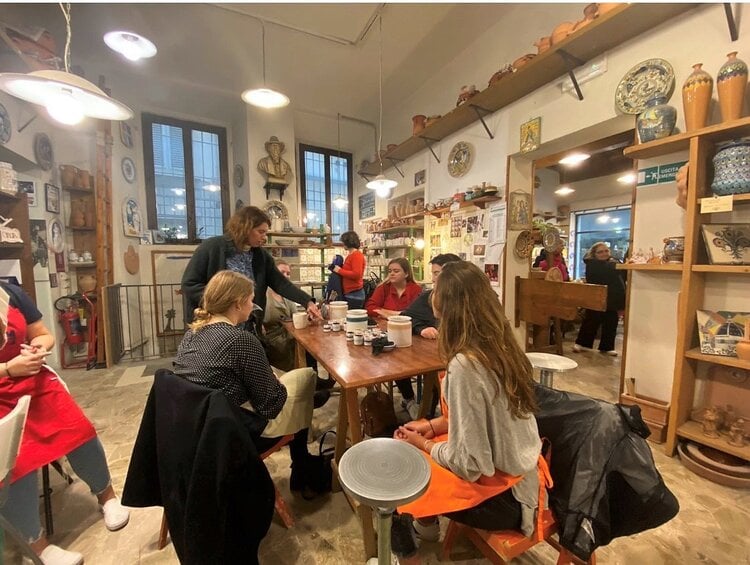
Italy’s ‘Stanca Act’ and ‘Disposizioni per favorire l’accesso dei soggetti disabili agli strumenti informatici’ have helped to ensure that the accessibility requirements needed by disabled persons are met including integration into schools, work, and society, as well as trying to aid autonomy and participation in social life.
However, Italy can present a challenge for disabled travelers due to cobbled streets, hilly cities, and historic buildings with stairs. Venice has many humpback bridges across the canals, only a handful of which have ramps. Cinque Terre and parts of Tuscany have narrow, uneven pathways and winding cobbled streets, so travelers with reduced mobility may not get the most out of their trip in these destinations. This can be overcome with research and planning.
Many public transportation systems, including much of the national rail network and the vaporetto boats in Venice, have been adapted for accessibility. Assistance can be provided, especially if requested in advance. Many attractions can be accessed free of charge or at a reduced rate by people with disabilities. Travelers who book official tours of landmarks will receive assistance from guides. Additional information can be found here.
We encourage you to open a dialogue with us so we can assess accessibility in housing and academic spaces.
The U.S. State Department has advice for international travelers with disabilities at this link.
.png?width=208&height=80&name=asa+logo%201%20(1).png "asa+logo 1 (1)")








.jpeg)

.jpeg)
-1.webp)

-1.webp)
-1.webp)
.webp)


.jpeg)
.jpeg)
.jpeg)
.jpeg)